Alright, let's talk commercial asphalt. I know, you're probably a homeowner, not a business owner, but you'd be surprised how often folks like you ask me about commercial projects happening right next door or down the street. Maybe it's a new shopping center, a church parking lot, or an apartment complex getting a facelift. You see the big machines, the crew, and you start wondering how it all works, or what it means for your own property. So, I figured I'd tackle some of the most common questions I hear from Lodi homeowners about these bigger jobs. No fluff, just straight answers from someone who's been doing this a long time.
What's the difference between asphalt for a driveway and a commercial parking lot?
That's a great question, and it really comes down to what the asphalt needs to handle. Think about your driveway: it sees your car, maybe a visitor's car, a delivery truck once in a while. A commercial parking lot? That's taking a beating from hundreds, sometimes thousands, of vehicles a day. We're talking heavy delivery trucks, trash trucks, constant turning, braking, and accelerating. Because of that, commercial asphalt typically has a much thicker base layer – sometimes 6-8 inches of aggregate, compared to 4-6 for a residential driveway. The asphalt layer itself is usually thicker too, often 3-4 inches compacted, versus 2-3 inches for a home. We also use different asphalt mixes, specifically designed for higher traffic and heavier loads. It's built to last under a lot more stress, plain and simple.
How long does commercial asphalt usually last?
If it's installed right and maintained properly, a commercial asphalt surface can easily last 20-30 years. Now, that doesn't mean it won't need attention during that time. You're looking at things like sealcoating every 2-3 years, crack filling annually, and maybe some patching for potholes that pop up. Without that regular maintenance, you're probably looking at 10-15 years before you're talking about a major overlay or even a full replacement. It's like anything else; you take care of it, it takes care of you. We always tell our commercial clients at Lodi Diamond Asphalt that maintenance is key to extending the life and getting the most out of their investment.
I see big cracks in a new commercial lot. Does that mean the contractor did a bad job?
Not necessarily, but it's definitely something to keep an eye on. Asphalt cracks for a few reasons. Sometimes, it's just normal wear and tear, especially with our Lodi weather – those hot summers and then the cooler, wetter winters cause expansion and contraction. If the cracks are showing up really fast on a new lot, it could point to a few things: maybe the sub-base wasn't prepared right, or the drainage is poor, or perhaps the asphalt mix wasn't quite right for the expected traffic. Hairline cracks aren't usually a huge concern right away, but if you're seeing wide, deep cracks or alligator cracking within a year or two, that's a red flag. It's worth bringing to the property owner's attention; they might not even know.
What's the deal with all the different stripes and markings on commercial lots?
Those aren't just for show; they're crucial for safety and traffic flow. You've got your standard parking stall lines, of course, but then there are fire lanes, handicap accessible spots, directional arrows, loading zones, pedestrian crossings, and sometimes even specific numbered spots. Each of those has to meet specific codes, especially ADA compliance for handicap spaces. It's not just slapping on some paint; there are exact dimensions, colors, and symbols that need to be followed. It takes a lot of planning and precision to get it all right, ensuring everyone knows where to go and where not to go, keeping things safe for both drivers and pedestrians.
Why do some commercial parking lots look grey and faded, while others are jet black?
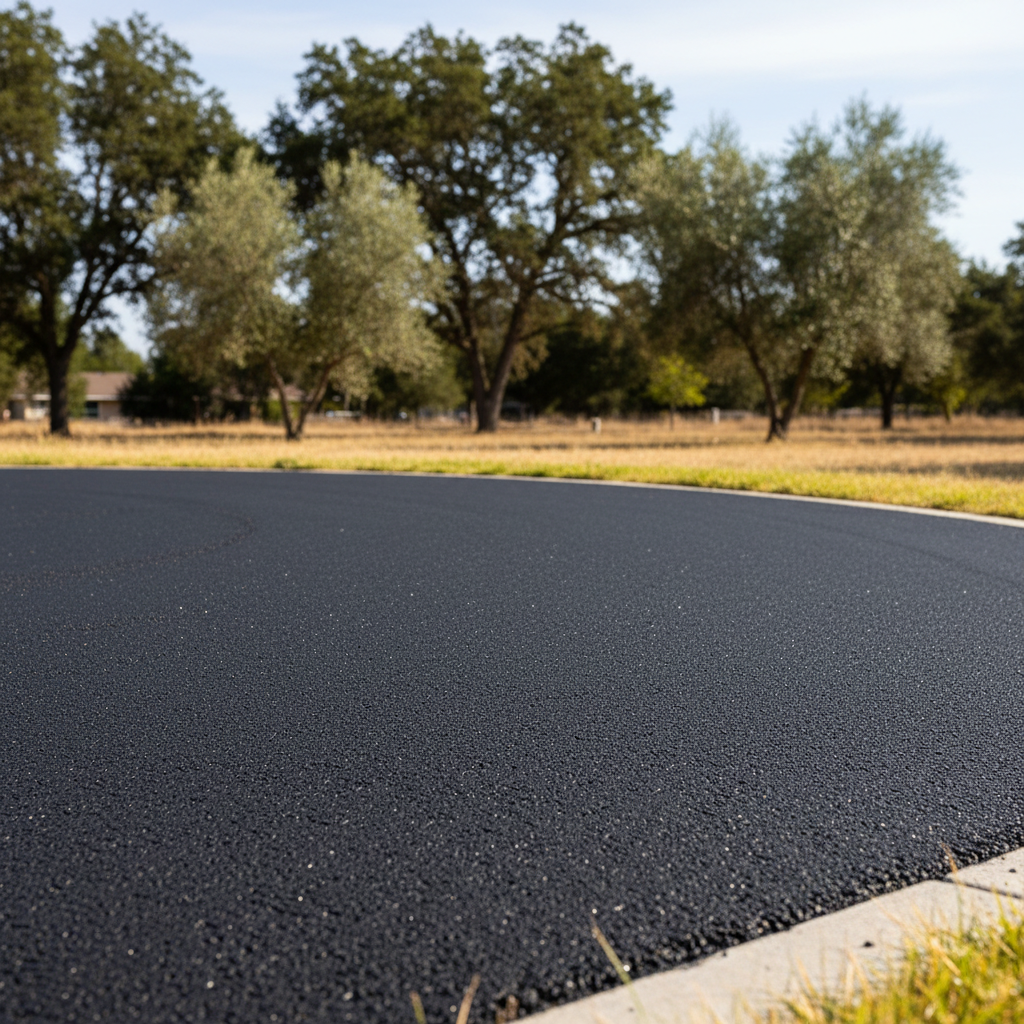
That's usually a sign of whether the lot has been sealcoated recently. When asphalt is first laid, it's a deep, rich black. Over time, exposure to the sun's UV rays, rain, oil, and gas starts to break down the surface, making it turn grey and brittle. Sealcoating puts a fresh, protective layer over the asphalt, bringing back that dark color and shielding it from the elements. It's like sunscreen for your pavement. A grey, faded lot hasn't been sealcoated in a while and is more vulnerable to damage. A jet-black lot means someone's been on top of their maintenance, which is a good sign of a well-cared-for property.
Can commercial asphalt projects affect my property's drainage?
Absolutely, and this is a big one, especially with our clay soils here in Lodi. Any large paving project changes the way water flows across the land. Reputable contractors like Lodi Diamond Asphalt spend a lot of time on grading and drainage plans to make sure water flows away from buildings and doesn't pool. The goal is to direct water to storm drains or retention areas. If a commercial project near you isn't designed or installed correctly, you could end up with new puddles on your property, water running into your yard, or even issues with your foundation if water starts to collect where it shouldn't. If you notice new drainage problems after a commercial paving job, don't hesitate to reach out to the property owner or even the city to report it. It's a serious issue that needs to be addressed.
What's the noise and dust situation like during a commercial asphalt job?
You're not wrong to be concerned about this; it can definitely be disruptive. When we're doing a full tear-out and replacement, you're going to hear heavy equipment – excavators, dump trucks, rollers. There's also the noise from asphalt pavers and compactors. It's not quiet work. As for dust, especially during the grading and base prep, there can be a fair bit of it, particularly on a dry, windy Lodi day. We do our best to minimize it with water trucks and careful operations, but it's part of the process. If it's just a sealcoating or crack filling job, it's much quieter and less dusty. Most commercial projects have specific hours they can work to minimize impact on nearby residents and businesses, so if you're experiencing excessive noise or dust outside of reasonable hours, it's worth checking with the city or the project manager.
How can I tell if a commercial asphalt job is being done right?
It's tough to know all the ins and outs without being on site, but there are some visual cues. First, look at the crew: are they wearing safety gear? Do they seem organized? A good contractor runs a tight ship. Second, check the edges of the new pavement. Are they clean and straight, or do they look ragged? Good contractors will cut clean edges. Third, once the asphalt is down, look for uniform color and texture. You shouldn't see big variations in the mix or roller marks that haven't been smoothed out. Finally, observe the drainage. After a rain, does water drain off properly, or are there big puddles? Proper drainage is a huge indicator of quality work. If you see obvious issues, it's not a bad idea to mention it to the property owner. They'll appreciate knowing if something looks off.