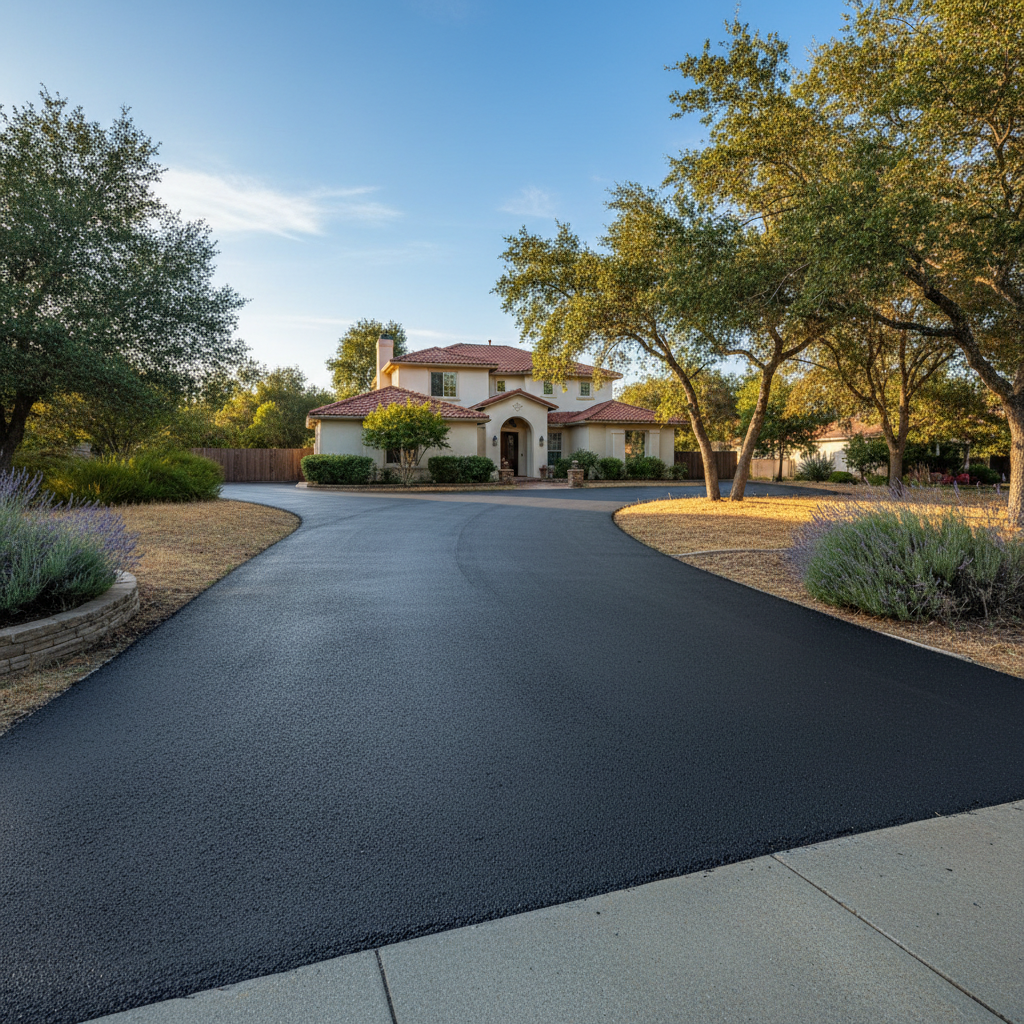
Your commercial property's asphalt isn't just some surface; it's a real investment. And let's be honest, it's often the very first thing your customers notice, right? Here in Lodi, we all know our asphalt takes a beating. Those scorching, dry summers, with temperatures often hitting the 90s — sometimes even over 100°F — and then the cool, wet winters, bringing dense ground fog and occasional heavy rains, really put pavement through its paces. You've got to stay on top of things if you want it to last.
Making Your Asphalt Last Longer in Our Climate
California's climate, especially here in the Central Valley, throws some unique curveballs at asphalt. The intense sun and heat are big troublemakers. UV rays actually break down the asphalt binder, making it brittle and less flexible. This leads to oxidation, where that rich black color fades to a dull gray, and the surface starts to ravel — that's when you see loose aggregate appearing. When asphalt gets hot, it softens up, making it way more prone to damage from heavy vehicles, tight turns, and even just regular traffic. This softening can cause ruts, depressions, and stress fractures. It's a real mess.
Then there's the rain. Sure, our summers are dry, but Lodi definitely gets its share of rain, especially from October right through May. Water, hands down, is asphalt's worst enemy. If it sneaks into cracks, it weakens the base layer, and boom — you've got potholes and much more serious damage. Even though we don't usually deal with those harsh freeze-thaw cycles like folks back east, the expansion and contraction from our daily temperature swings still cause stress and cracking.
So, what can you actually do? It really boils down to a few key things:
- Sealcoating: Think of this as your pavement's sunscreen and raincoat rolled into one. Putting on a good quality sealcoat every 2-3 years, or up to 4 years for areas with less traffic, protects against UV damage, stops water from getting in, and even fends off oil spills. It keeps the binder from drying out and helps maintain that dark, professional look. Just make sure to let new asphalt cure for 6-12 months before you apply that first sealcoat.
- Prompt Crack Sealing: Don't just sit there when you see cracks. Filling them as soon as they pop up is super important, especially before our rainy season kicks in. This keeps water from getting into the sub-base, which, believe me, is where the really big problems start.
- Good Drainage: Make sure your property has proper drainage. Standing water will speed up deterioration and lead straight to potholes.
What Regular Maintenance Actually Looks Like
Consider your asphalt like any other important asset on your property – it needs routine care. For commercial properties, you usually need a more frequent maintenance cycle because of heavier traffic and constant use.
- Regular Inspections: Walk your property at least twice a year; spring and fall are ideal. Look for any new cracks, soft spots, or areas where water might be pooling. Catching small problems early stops them from turning into expensive headaches later on.
- Cleaning: Keep the surface clear of debris, dirt, and plant matter. Sweeping and cleaning prevent erosion and stop junk from building up in cracks. Clean up any oil, gas, or chemical spills right away, because these can break down the asphalt binder.
- Crack Sealing: Like I said, this is a big one. Use hot-pour crack filler for the best results.
- Pothole Patching: Deal with potholes immediately. They're not just ugly; they're a safety hazard and will only get worse.
- Line Striping: Faded parking lines and ADA markings aren't just unattractive; they can actually be a liability. Re-stripe as needed, typically every 2-4 years, to keep your lot safe and compliant.
Warning Signs Your Asphalt Is in Trouble
Your asphalt will definitely tell you when it's hurting, if you just know what to look for:
- Fading to Gray: This is a clear sign of oxidation, meaning the sun's UV rays are breaking down the asphalt binder.
- Hairline Cracks: These are the very first stage of cracking. They're easy to fix, but if you ignore them, they'll grow.
- Alligator Cracking: This looks like a series of interconnected cracks, just like an alligator's skin. Usually, this means water has gotten into the base, and the structural integrity is compromised.
- Potholes: Obvious, I know, but they indicate a failure in the sub-base.
- Raveling: When the surface looks rough and gravelly, with loose aggregate, it means the binder is failing and the surface is eroding.
- Standing Water: If water isn't draining properly and is pooling on your pavement, that's a recipe for disaster.
- Soft Spots or Ruts: This can happen during our hot Lodi summers when heavy vehicles press into softened asphalt.
When It's Time to Call a Professional
For most commercial property owners, it just makes sense to bring in the pros for anything beyond simple cleaning. You'll want to call Lodi Diamond Asphalt when you notice any of those warning signs, or even better, before they get really bad.
- Annual or Bi-Annual Inspections: Let us do a thorough inspection for you. We'll spot things you might miss and give you a clear plan.
- Sealcoating: This definitely isn't a DIY job for commercial lots. We've got the right materials and equipment to ensure a proper, long-lasting application.
- Major Crack Sealing and Pothole Repair: While you can patch small potholes, larger or recurring issues need professional attention to make sure the base is properly addressed. Infrared patching can seamlessly repair problem areas, too.
- Drainage Issues: If you have persistent standing water, you probably have a grading problem that needs an expert assessment and correction.
- Extensive Damage: If you're seeing widespread alligator cracking, multiple large potholes, or significant raveling, it's definitely time for a professional assessment. You might need an overlay or even full-depth reconstruction, and we can help you understand all your options.
Proactive maintenance really does save you money in the long run. Studies show that for every dollar you put into preventive maintenance, you can save up to six dollars in costly future repairs. Don't wait until your parking lot looks like a patchwork quilt, okay? A little attention now goes a long way in keeping your commercial asphalt in Lodi looking good and functioning safely for years to come.