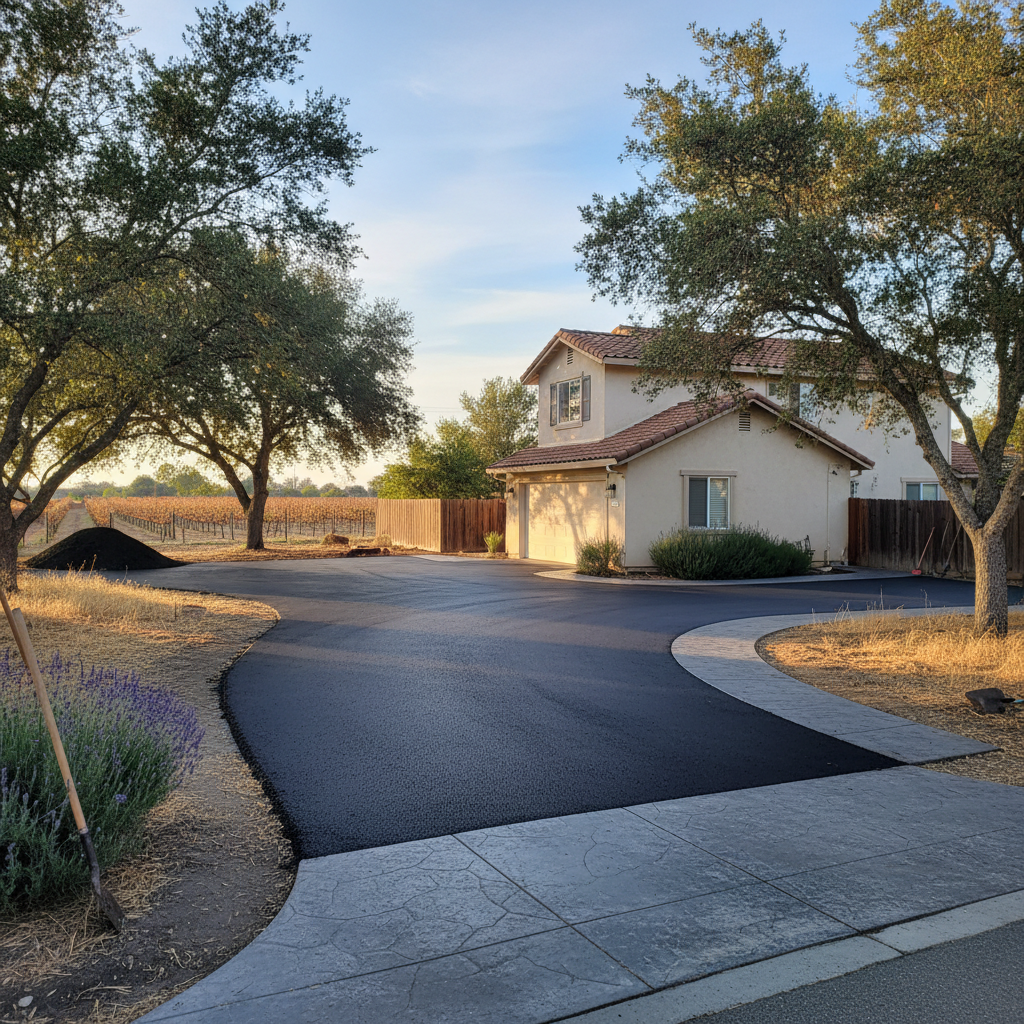
When's the Best Time for Asphalt Work in Lodi?
You've got a business to run, and worrying about your parking lot or access roads probably isn't high on your daily to-do list. But when that asphalt starts cracking or crumbling, it becomes a big problem fast. So, when's the right time to get it fixed or put down new stuff here in Lodi?
Honestly, it's all about the weather. We need dry, warm conditions for asphalt to cure properly. That means our prime season for major asphalt projects – things like new paving, overlays, or significant repairs – is usually late spring through early fall. Think April, May, June, July, August, September, and maybe even a good chunk of October if we get a dry spell. The ground needs to be stable, and the air temperature needs to be consistently above 50°F, ideally closer to 70°F or 80°F, for the asphalt to bind and compact correctly. If it's too cold, the asphalt cools too fast, making it hard to work with and affecting its long-term durability. If it's too wet, well, asphalt and water don't mix when you're trying to lay it down. It compromises the base and can lead to early failure.
That said, smaller repair jobs like crack filling or patching can sometimes be done in cooler, drier windows outside of peak season. But for anything substantial, you're looking at those warmer months. Don't wait until the last minute to call, though. Good contractors like us at Lodi Diamond Asphalt get booked up fast during that prime window.
What Lodi Weather Means for Your Pavement
Our Lodi climate, with its hot, dry summers and wet, sometimes chilly winters, really puts asphalt through its paces. That's why understanding these conditions is crucial for your commercial property's pavement health.
- Summer Heat: Those long, scorching Lodi summers? They make asphalt flexible, which is good for avoiding some types of cracking. But constant UV exposure also oxidizes the asphalt binder, making it brittle over time. That's when you start seeing those fine hairline cracks appear.
- Winter Rains: When the rains come, especially after a dry summer, water finds its way into those small cracks. If we get a cold snap – and we do get some freezing nights here, even if it's not a foot of snow – that water freezes, expands, and turns those little cracks into big potholes. This freeze-thaw cycle is a killer for neglected asphalt.
- Soil Conditions: We've got a lot of clay soils around here, especially in some of the older industrial parks near the railroad tracks. Clay expands when wet and shrinks when dry, which can put a lot of stress on your asphalt's base if it wasn't prepped right.
Protecting Your Investment Year-Round
You've spent good money on your commercial asphalt, so let's talk about keeping it in top shape. It's not just about fixing problems when they pop up; it's about prevention.
- Regular Inspections: Walk your parking lot or access road once a month. Seriously. Look for new cracks, potholes, or areas where water is pooling. Catching these issues early saves you a ton of money down the road. A small crack fill costs pennies compared to a full patch or overlay.
- Crack Sealing: This is your first line of defense. As soon as you see cracks wider than a quarter-inch, get them sealed. It keeps water out of the sub-base, preventing that damaging freeze-thaw cycle we just talked about. I tell all my commercial clients, if you do nothing else, seal your cracks.
- Sealcoating: For parking lots that are in decent shape but looking faded, sealcoating is like sunscreen for your asphalt. It protects against UV rays, spills, and water penetration, extending the life of your pavement significantly. It also gives your property a fresh, professional look, which is good for business. Typically, you'll want to sealcoat every 2-5 years, depending on traffic and the condition of the asphalt.
- Proper Drainage: Make sure your drainage systems are clear. If water is sitting on your asphalt, it's going to cause problems. Clear out those storm drains and make sure slopes are doing their job.
- Prompt Repairs: Don't let a small pothole turn into a crater. Patching a pothole quickly prevents further deterioration of the surrounding asphalt.
Taking a proactive approach to your commercial asphalt maintenance isn't just about preserving the pavement; it's about protecting your business's curb appeal, ensuring safety for your customers and employees, and ultimately, saving you money. If you've got questions about your Lodi property's asphalt, don't hesitate to give us a call.