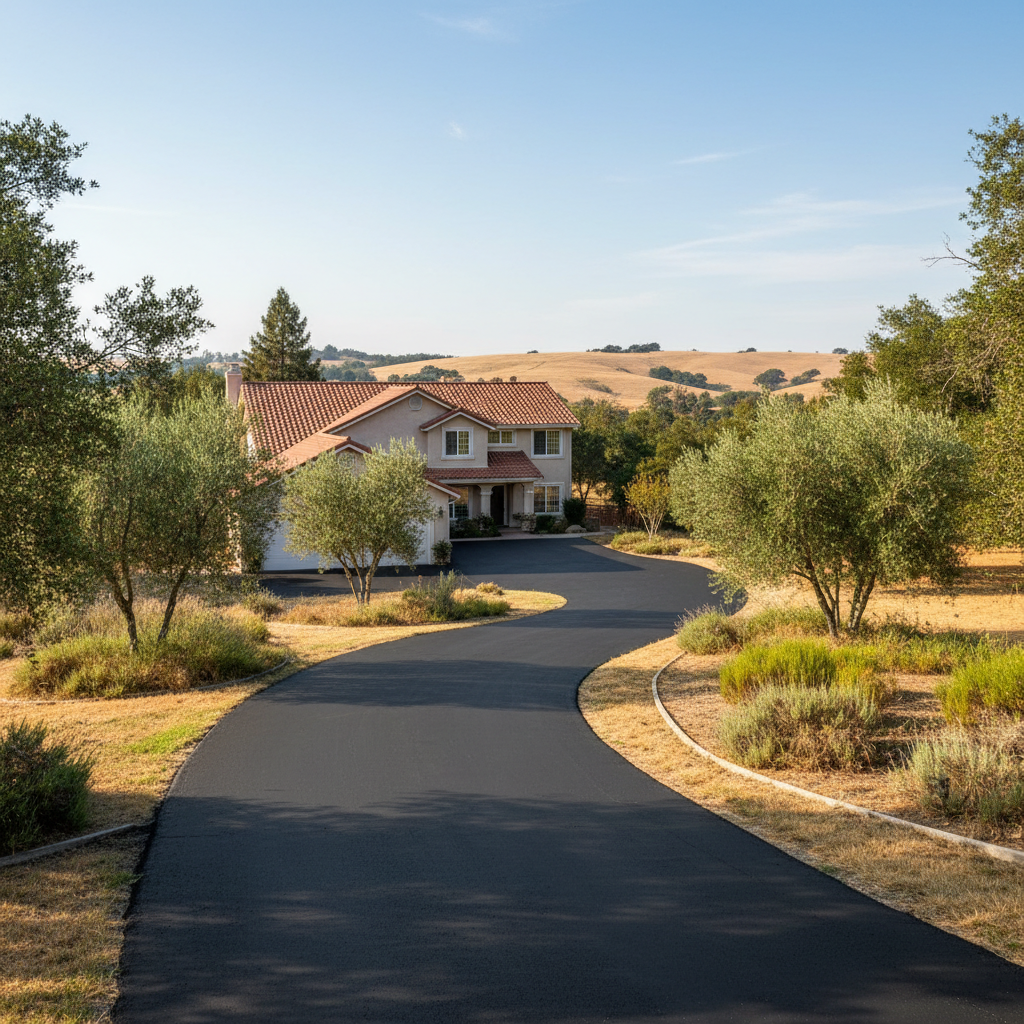
Alright, Lodi homeowners, let's talk about slurry coating your driveway. You know, those faded, gray driveways you see around town, maybe even some with minor cracks starting to show? That's your asphalt practically screaming for some attention, and a slurry coat is often just the ticket. It's a careful application of a special mix, designed to shield and stretch out the life of your asphalt pavement. Think of it like giving your driveway a fresh, protective skin. But to really nail it here in our part of the world, we've got to consider our local climate.
When's the Best Time for a Slurry Coat in Lodi?
When it comes to a good slurry coat, timing is everything. You can't just throw it down whenever; the weather really needs to play along for it to cure right and actually give you the protection you're paying for. Here in Lodi, with our scorching, dry summers and cool, wet winters, there's definitely a sweet spot.
Generally speaking, the best time to get that slurry coat done is when the air temperature stays reliably above 50°F and is on the rise, with no rain expected for at least 24 to 48 hours. This usually means late spring, summer, and early fall. Our summers are dry, hot, and mostly clear, with daily highs often climbing past 85°F from June through September. That's prime time for this kind of work, wouldn't you say?
You really want those warm temperatures to help the emulsion cure properly. If it's too chilly, the material just won't bond right, and you'll end up with a coat that peels or doesn't last. We're talking average daily highs of 93°F in July, so there's certainly no shortage of heat. However, extreme heat (over 90°F) can also cause problems, making the sealant dry too fast and possibly leading to cracks. That's why we often suggest scheduling for the cooler parts of the day during peak summer, like early mornings.
Weather Conditions That Affect the Work
Beyond just the temperature, a few other weather factors really make a difference for a successful slurry coat application:
- Rain: This one's a big deal. Slurry seal needs completely dry conditions to cure. You need at least 24 to 48 hours of dry weather *after* we apply it. Our rainy season in Lodi usually runs from October to May, with February typically being the wettest month. So, trying to get a slurry coat done in December, when we're looking at average lows around 40°F and plenty of rain, is just asking for trouble.
- Humidity: High humidity can slow down drying times and mess with how well the slurry sticks. Lodi's humidity levels are generally pretty comfortable in summer, which is another reason those months are so ideal.
- Wind: Not as crucial as rain or temperature, sure, but strong winds can still affect the application, making it tougher to get an even coat.
- Freezing Temperatures: Absolutely do not apply slurry if there's even a hint of freezing temperatures within 24 hours. Our winter lows can dip into the low 30s, so that's a definite no-go.
For example, if you live in an area like the Tokay Colony, with some older, established properties and really extensive driveways, you absolutely want to hit that sweet spot in late spring or early fall. You'll avoid the heaviest rains and that scorching mid-summer sun, giving the slurry its best shot at setting up perfectly.
Protecting Your Investment Year-Round
Once you've got that fresh slurry coat down, you'll want to make it last. A properly applied slurry coat in Lodi can hold up for 5 to 10 years, depending on how much traffic it sees, the original state of your pavement, and how well you keep it up. Here’s how to protect your investment:
- Give it Time to Cure: After we apply the slurry, you'll need to keep cars and foot traffic off it for at least 24 to 48 hours. The exact time depends on the temperature and humidity, but don't rush it. It might look dry, but the full chemical bonding takes longer than you think.
- Clean Regularly: Keep your driveway clear of debris, dirt, and oil spills. Our hot Lodi summers can really bake oil stains into the asphalt, which can break down the slurry over time.
- Address New Cracks Promptly: While slurry coating helps seal minor surface cracks (up to about 1/4 inch), new, larger cracks can still pop up. Get those filled quickly to stop water from sneaking underneath and causing bigger headaches. Water intrusion is the enemy of asphalt, especially with our occasional heavy rains.
- Watch for Oxidation: Even with a slurry coat, our intense Central Valley sun can still take its toll. If you start to notice the surface looking dull or gray again before the 5-year mark, it might be time to start thinking about the next application. UV damage is a silent killer for asphalt.
At Lodi Diamond Asphalt, we always stress that a slurry coat isn't just about making your driveway look good; it’s about adding a tough layer of protection against the elements. It's a thicker, more durable treatment than standard sealcoating, with fine aggregates that stand up better to our local conditions. By understanding our Lodi climate and following these simple tips, you'll get the most out of your slurry coat and keep your asphalt looking sharp for years to come.