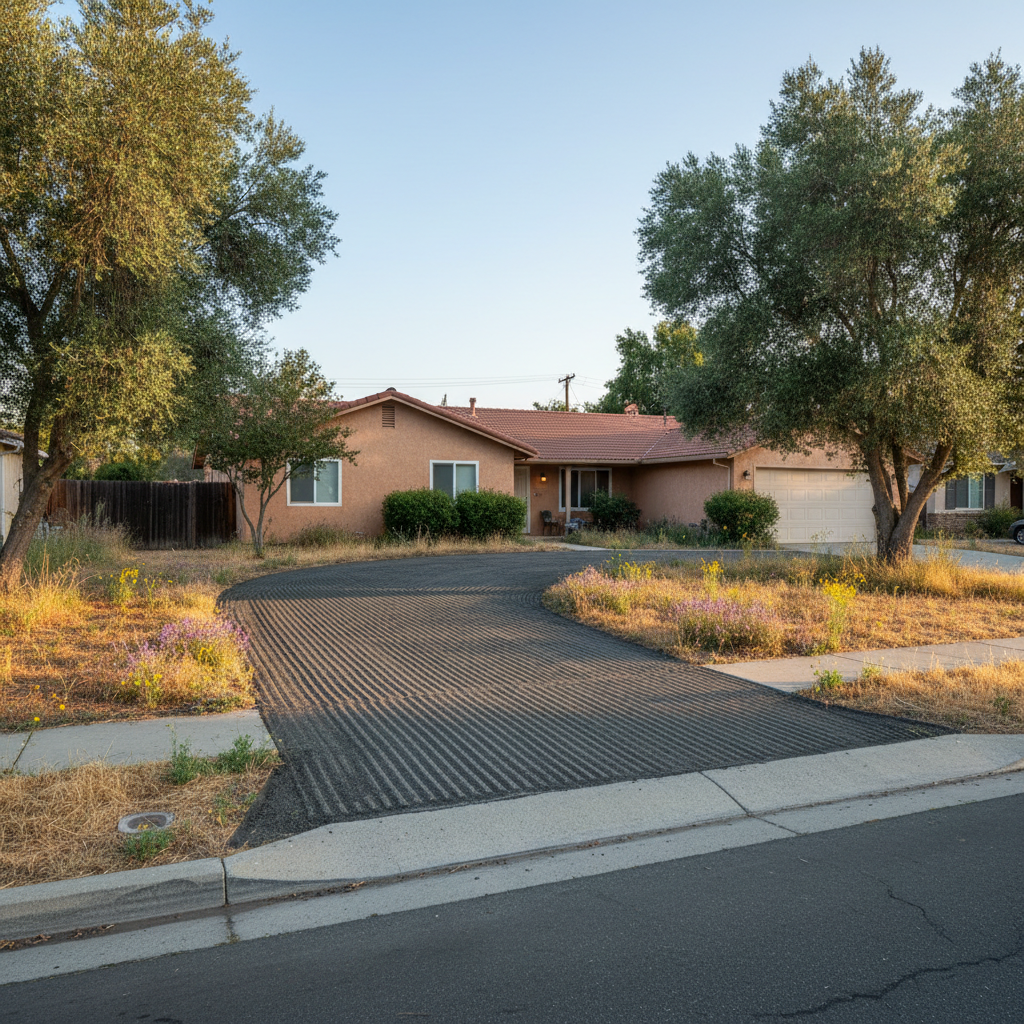
Alright, Lodi homeowners, let's talk about your asphalt. Specifically, if you're thinking about asphalt milling, you really need to consider our local climate. It's not just about getting the job done, you know? It's about getting it done right so it actually lasts, especially with those scorching summers and damp winters we experience here in the Central Valley.
When Should You Schedule Your Asphalt Milling Project?
When it comes to asphalt milling, the sweet spot for scheduling usually falls in the spring and fall. Why then? Well, these seasons generally bring us those moderate temperatures and drier conditions that are just perfect for this kind of work. You want the ground to be stable, not soaked from winter rains or bone-dry and hard as a rock from August heat.
Milling itself, which is basically grinding off the top layer of your existing asphalt, can be a bit more flexible than laying down fresh, hot asphalt. You can even do it in lighter rain or colder conditions, but that's really only if you're not immediately following up with a new asphalt overlay. If you're milling to get ready for new paving, then you absolutely have to pay attention to the weather for that next step.
Weather Conditions That Really Matter
Here in Lodi, our weather swings can be pretty dramatic, and asphalt just doesn't love extremes. Our summers are hot and dry, and winters are short, wet, and cold.
- Temperature: For milling, extreme cold — like freezing weather — is a definite no-go. You don't want the ground frozen solid, do you? For the paving that usually comes after milling, the ideal air temperature is at least 50°F and climbing, with some pros even saying 70°F is even better. Our July highs average around 93°F, and it's not uncommon for temperatures to soar past 100°F in the summer. While warm weather is generally good for asphalt, extreme heat can make the asphalt too soft for proper compaction. That leads to problems like rutting or waves.
- Moisture: Heavy rain is bad news for milling and especially for paving. Water can stop the new asphalt from bonding correctly to the sub-base, which creates weak spots and cracks. Lodi gets most of its rain in the cooler months, with January seeing the most precipitation. You absolutely don't want to schedule paving when rain is in the forecast.
- Wind: Believe it or not, strong winds can also cause issues. They can cool the hot asphalt mix too quickly, making it hard to compact properly. This might lead to a less durable surface.
So, what's the takeaway for Lodi? Early summer can be great, but you'll want to aim for early to mid-summer before the hottest weather hits. Or, even better, late spring or early fall, when temperatures are consistently warm but not scorching, and the ground isn't soaked.
Protecting Your Investment All Year Long
Once you've got that fresh, smooth asphalt down, you'll definitely want to protect it. Our climate, with its hot, dry summers and mild, sometimes wet winters, really throws some specific challenges at asphalt. The intense summer sun oxidizes the asphalt, making it brittle and prone to cracking. Then, when winter comes, water can seep into those cracks and weaken the base.
Here's what I recommend:
- Sealcoating: This is your first line of defense, period. Sealcoating creates a barrier against UV rays and water intrusion, which are the main culprits for asphalt failure around here. It also brings back that rich, dark color and keeps your asphalt flexible. I tell folks to sealcoat every 2-3 years to keep things in top shape.
- Crack Filling: Don't let those small cracks turn into big problems. Filling cracks quickly stops water from getting into the sub-base. This is super important, especially with our clay-rich soils that expand and contract with moisture.
- Drainage: This is huge in Lodi. Our relatively flat landscape means poor drainage can lead to pooling water, which seeps into cracks and weakens the base. Make sure your driveway has proper slopes to shed water away from your home and landscaping.
- Regular Cleaning: Keep your asphalt free of debris, dirt, and oil spills. These can degrade the surface over time.
At Lodi Diamond Asphalt, we've seen it all. From the homes near Lodi Lake to those out by the vineyards, we understand the specific challenges our Central Valley environment throws at your asphalt. Taking these seasonal tips to heart will help your driveway stand strong for years to come, no matter what Lodi weather brings.