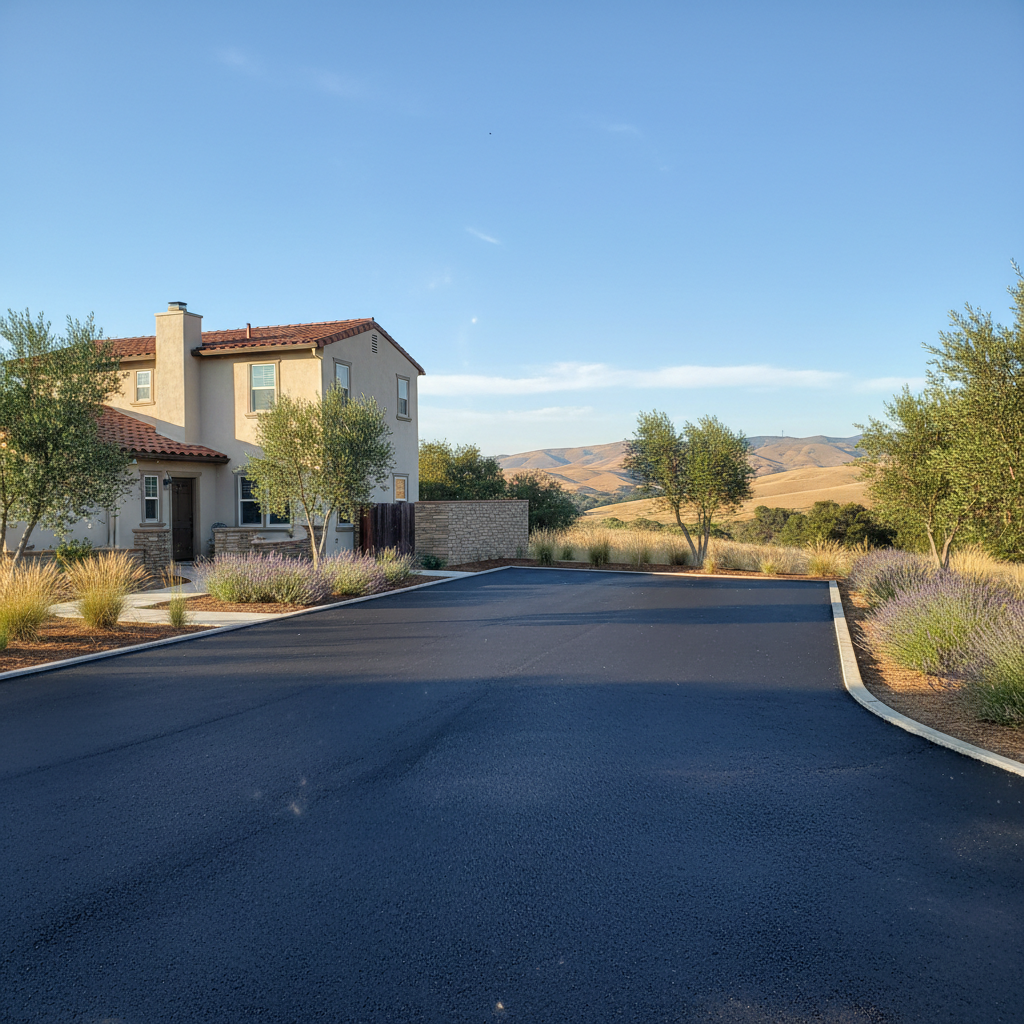
Alright, let's talk about parking lot paving costs. I get calls every week from business owners right here in Lodi wanting to know what it'll cost to put in a new lot or fix up their old one. The truth is, there's no single price tag, but I can definitely give you a solid idea of what to expect and what factors are going to move that needle.
What Really Affects the Price Tag?
You might think it's just about the square footage, but that's only part of the story. Here's what I'm looking at when I give you a quote:
- Size and Scope: This is the obvious one, right? A small lot for a retail strip on Kettleman Lane will cost way less than a massive lot for a warehouse out by the airport. But it's not just square feet; it's also about how many layers of asphalt you need, the depth of the aggregate base, and how much digging is required.
- Existing Conditions: Is it a brand-new lot on virgin soil? Or are we tearing out an old, crumbling asphalt lot that's been there since, say, the 70s? Demolition and hauling away old material definitely add significant cost. If the subgrade (that's the dirt underneath everything) is soft or unstable, especially with some of the clay soils we have around Lodi, we might need to stabilize it. That's an extra step, and yes, an extra cost.
- Drainage Requirements: This is huge, absolutely critical. You can't just pave a flat surface and expect water to disappear. We need to grade the lot properly so water flows to drains or away from buildings. If you need new catch basins, trench drains, or extensive grading work, that's going to increase the price. Poor drainage leads to potholes and cracks fast, so you really don't want to skimp here.
- Asphalt Thickness: How much traffic will the lot see? A lot for light cars and occasional delivery trucks needs a different asphalt thickness than one that's constantly pounded by heavy semi-trucks. Thicker asphalt means more material and more work.
- Site Accessibility: Can my crew and equipment easily get in and out? Tight spaces or lots with lots of obstacles can slow us down and make the job harder, which can affect the labor cost.
- Additional Features: Things like curbing (concrete or asphalt), speed bumps, bollards, wheel stops, and especially line striping (parking spots, arrows, handicap symbols) are all separate items that get added to the base paving cost.
Typical Cost Ranges in Lodi
Alright, let's get down to some numbers. Keep in mind these are averages, and your specific project could be higher or lower depending on those factors I just mentioned. These prices are generally for new construction or full tear-out and replacement, which is the most expensive type of job.
- Small Parking Lot (10-20 spaces): You're probably looking at anywhere from $25,000 to $60,000. This might be for a small office building or a boutique shop.
- Medium Parking Lot (50-100 spaces): For something like a medium-sized retail center or a larger restaurant, expect to pay between $75,000 and $200,000.
- Large Parking Lot (200+ spaces): Big box stores, industrial parks, or large apartment complexes could easily be $250,000 to $750,000 or even more, depending on the sheer scale and complexity.
For just overlaying an existing lot that still has a good base, you're looking at significantly less per square foot, maybe $2.50 to $5.00 per square foot, compared to $6.00 to $12.00+ for a full tear-out and replacement. But again, it all depends on the condition of that existing lot.
What Should Be Included in Your Quote?
When Lodi Diamond Asphalt gives you a quote, we make sure it's clear. Here's what a good, comprehensive quote should cover:
- Site Preparation: This includes excavation, grading, and compacting the subgrade. If there's old asphalt or concrete to remove, that should be listed.
- Aggregate Base: The type and thickness of the crushed rock base layer.
- Asphalt Paving: The number of lifts (layers) and the total compacted thickness of the asphalt.
- Drainage: Any work related to ensuring proper water flow, like catch basins or grading.
- Line Striping: This is often a separate line item, but it's essential for a functional parking lot. Make sure it's included or clearly stated as an add-on.
- Permits: Who is responsible for pulling any necessary city or county permits? Usually, the contractor handles it, but clarify this.
- Cleanup: What happens to all the debris? It should be hauled away.
How to Avoid Overpaying (or Underpaying for a Bad Job)
You don't want to get ripped off, but you also don't want to hire the cheapest guy who'll do a shoddy job that falls apart in two years. Here's my advice:
- Get Multiple Bids: Always get at least three quotes. Don't just compare the bottom line; compare what each quote includes. Are they proposing the same thickness? The same base?
- Ask for References: A reputable contractor, like us at Lodi Diamond Asphalt, will be happy to provide references for similar jobs we've done in the area. Go drive by those lots and see how they look.
- Understand the Scope: Make sure you fully understand what each contractor is proposing. If one bid is significantly lower, find out why. Are they cutting corners on thickness or base material?
- Check Licenses and Insurance: This is non-negotiable. Make sure they're properly licensed and insured. You don't want to be liable if someone gets hurt on your property.
- Don't Rush It: Good paving takes time. Be wary of contractors who promise a super-fast turnaround without a clear explanation of how they'll achieve it.
Paving a parking lot is a big investment for any Lodi business. Do your homework, ask the right questions, and you'll end up with a durable, good-looking lot that serves you well for years.