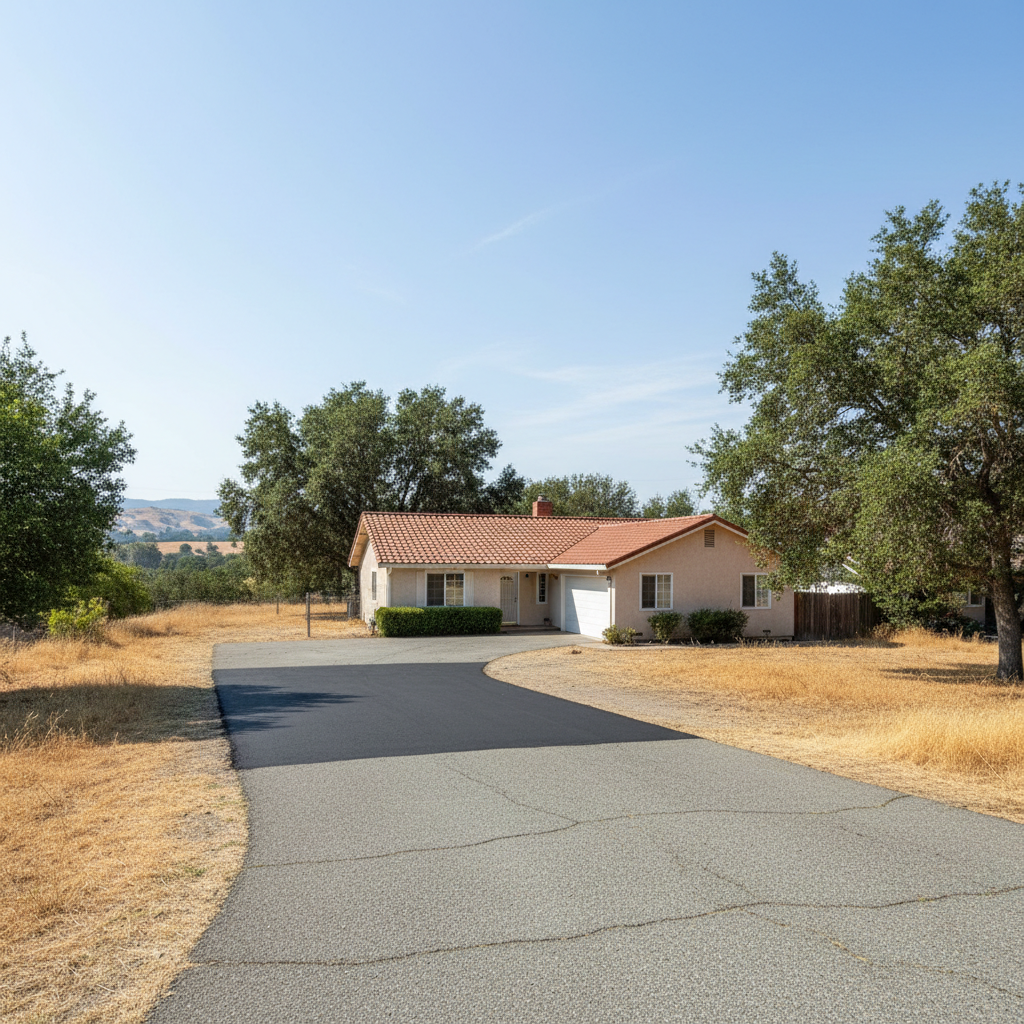
So, you've got cracks, potholes, or maybe some alligatoring on your driveway or private road. You know it's time to get it fixed, but what happens next? I've been doing this a long time here in Lodi, and I've seen plenty of folks jump in without a clear idea of the process. Let me walk you through what to expect when you're planning an asphalt repair project.
Setting Your Project Timeline
First off, think about when you want this work done. Asphalt work is weather-dependent, plain and simple. We need dry conditions, and not too cold, not too hot. Here in Lodi, that usually means spring through fall is prime time. Trying to do major repairs in the dead of winter when we're getting those heavy rains can lead to problems. You might find a contractor who says they can do it, but I'd be wary. The material needs to cure properly, and moisture is the enemy, truly.
Don't wait until the last minute, either. Good contractors, like us at Lodi Diamond Asphalt, get booked up. If you're thinking about a repair in, say, June, you should be getting estimates and talking to contractors by March or April. This gives you time to get a few quotes, compare them, and get on their schedule. A small patch job might be quicker to fit in, but a larger repair or resurfacing needs more lead time.
What Happens During the Repair Process?
Once you've picked your contractor and set a date, here's a general idea of what'll go down. The crew will show up, usually early. We'll start by assessing the area again, just to make sure nothing's changed since the estimate. Then comes the prep work. This is crucial. For potholes, we'll cut out the damaged section, square it off, and make sure the base is solid. If the base isn't good, we'll dig it out and replace it. You can't build a good surface on a bad foundation, right?
For cracks, we'll clean them out thoroughly, often with pressurized air, and then fill them with a hot rubberized sealant. This stops water from getting in and making things worse. If you've got larger areas of 'alligator' cracking, we might recommend a patch or even an overlay, depending on how deep the damage goes. We'll then apply new hot asphalt, compact it with rollers, and make sure it blends smoothly with the existing surface. It's not just about throwing down some black stuff; it's about making it last.
You'll need to stay off the repaired area for a bit. Usually, it's 24-48 hours for light traffic, but your contractor will give you specific instructions. Don't rush it; you want that asphalt to harden up properly.
How to Prepare Your Property
Okay, so the crew is coming. What do you need to do? It's pretty straightforward, but important.
- Clear the Area: Move your cars, boats, RVs, trash cans, planters, kids' toys – anything that's on or near the asphalt we're working on. We need clear access.
- Trim Overhangs: If you have low-hanging tree branches or shrubs that are right over the driveway, trim them back. It helps us get equipment in and gives us room to work without damaging your landscaping.
- Mark Sprinklers: This is a big one, especially in older Lodi neighborhoods with mature landscaping. If you have any sprinkler heads or irrigation lines running close to the edge of your asphalt, mark them clearly with flags or paint. We do our best to be careful, but it's easy to miss something hidden.
- Communicate: If you have any specific concerns about pets, kids, or anything else, talk to the foreman when they arrive. A quick chat can prevent misunderstandings.
Questions to Ask Before You Sign
Before you commit to a contractor, you need to be sure you're getting a good deal and a quality job. Don't be shy; ask these questions:
- What's your exact repair process for my specific issues? Don't just accept